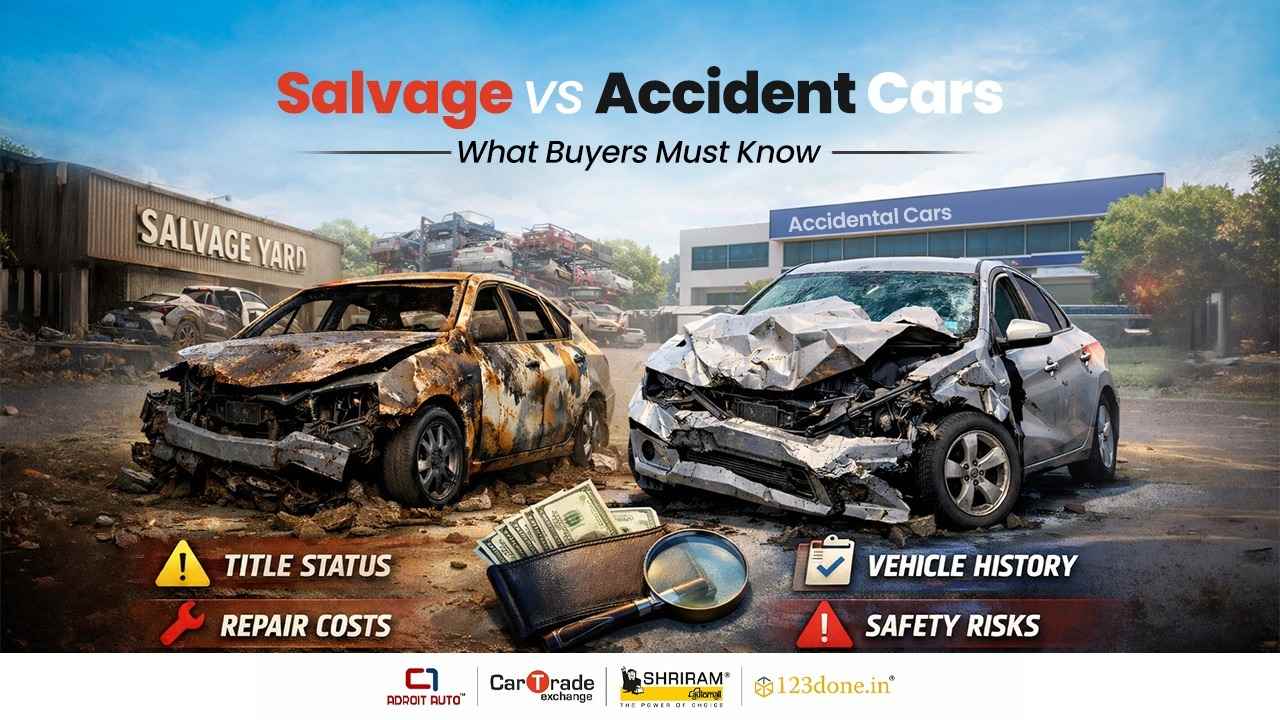
Salvage cars are the cars that get written off as a total loss by the insurance companies. While accident cars are the cars that have some minor to moderate damage, they still carry a clean title. Salvage cars often carry serious issues like structural or electrical damage, missing or replaced airbags, etc. So, a careful inspection must be done before buying a salvage car. Accident cars cost slightly more than salvage cars, but they have a better resale value than salvage cars. Salvage cars might also be called repairable cars. Repairable cars seldom get financing.
What are Salvage Cars
The cars that are deemed a total loss by insurance companies are known as salvage or repairable cars. These cars are comprised of serious damage due to a major accident, flood, theft, or fire. The repair cost of such cars can become more than their market value. So, these salvage cars are mainly sold for parts or scrap with a salvage title.
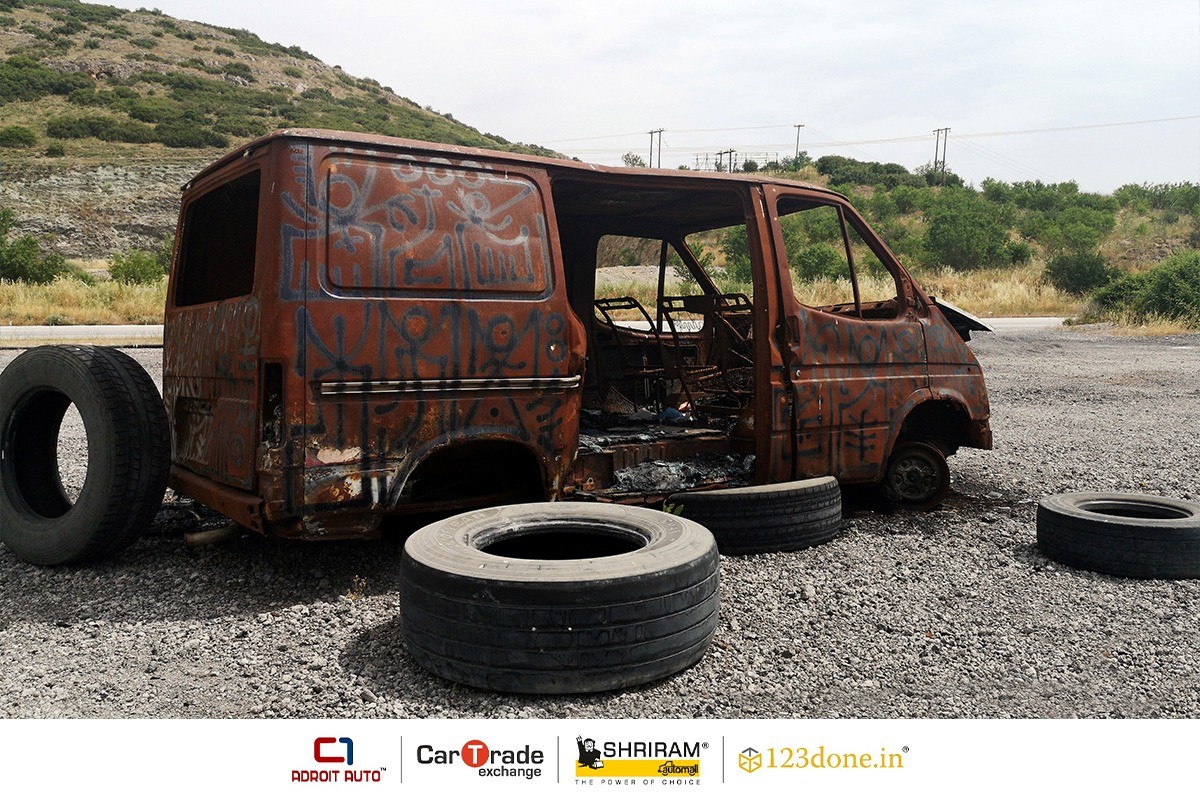
As a buyer, you look at it as getting a cheap car but with a high risk of hidden issues and no insurance or financing options. If you keep a repairable car, the salvage value will be deducted from the claim, and the repair cost and state inspections all become your responsibility if you want to ride it again. Most of the salvage cars act as donors to other cars for usable parts to get the other vehicles fixed.
What are Accident Cars
The cars with unplanned and unintentional accidents when collided with another vehicle, person, object, animal, etc., are accident cars that cause property damage, any injury, or death to someone. The accident can induce minor dents and can also cause death, depending on the extent of the collision.
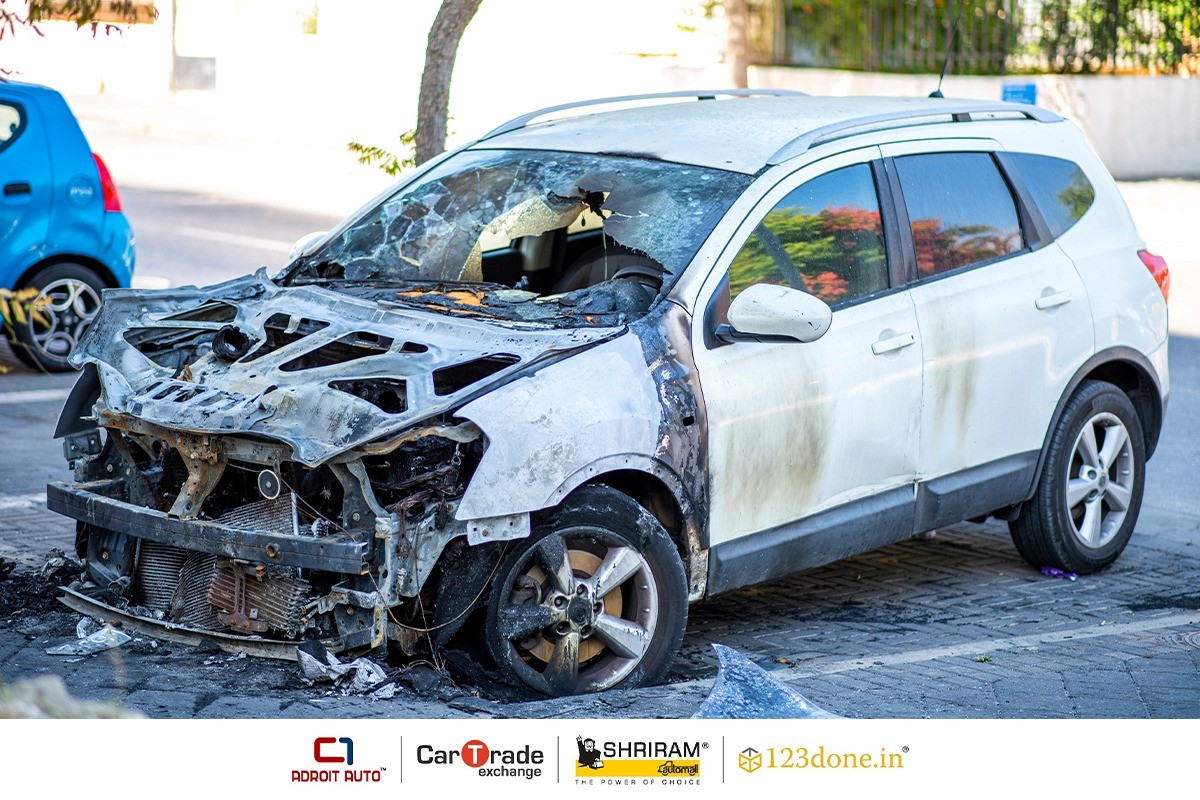
Some accidents happen by pure chance, like when a standing tree branch falls on a parked car during a storm or rain without driver negligence. Other kinds of accidents include a crash, which is often unintentional but happens when a driver loses control. This comes under a crash, so those cars do not come under accidental.
Difference Between Salvage and Accident Cars
Salvage cars are the ones that get a declared total loss title by the insurer, whereas accident cars sustain damage not enough for it to be declared as total loss. Accident cars have a clean title, unlike repairable cars. Salvage cars must undergo some repairs for them to be legally free to be driven around.
Let us look at the key differences between salvage and accident cars:
Aspect | Salvage Car | Accident Car |
Title Status | Carries a salvage title, meaning the vehicle was officially declared a total loss after repair costs crossed a major percentage of its market value. | Usually retains a clean title, even if it has been involved in one or more accidents. |
Extent of Damage | Has suffered extensive damage due to serious accidents, flooding, fire, or other major incidents. | Damage may range from minor to serious but remains below the threshold required for a total loss declaration. |
Legal Road Use | Cannot be legally driven on public roads unless fully repaired, inspected, and re-registered with a rebuilt title. | Can typically be driven once repaired, without needing a title change or special inspection. |
Market Value & Resale | Commands a much lower resale value because of its salvage or rebuilt history. | Holds comparatively higher resale value as long as the title remains clean after repairs. |
Insurance Availability | Insurance is harder to obtain and often costs more due to higher perceived risk. | Easier to insure, with standard premiums in most cases. |
What Buyers Must Know Before Buying a Salvage or Accident Car
While buying a salvage or accident car offers significant savings, there is also substantial risk involved. Accident cars come with clean titles, whereas salvage cars come with a salvage title indicating that the insurer declared the car as a total loss and the repairs exceed 60%-90% of its value.
Let us look at what the buyer must know before buying a repairable car or an accident car:
- A salvage title on a car shows that the car cannot be driven legally and is also not registered. While a rebuilt or restored title is given to a car when it has been repaired, inspected, and declared safe to drive.
- No matter if you get a car repaired after it is salvaged or gets in an accident, it will still bear a rebuilt or salvage tag, which lowers its value by nearly 40%.
- Some sellers might be indulging in title washing. It is done to hide the cars damaged history and is considered illegal.
- There can be many hidden damages even after the repairs are done to repairable and accidental cars. These might remain hidden even after months of owning the car.
- The repair quality of salvage and accident cars is majorly poor. Aftermarket parts and inexpensive or recycled materials are used for the repair.
- Many times, the structural integrity of the car is compromised because of poor repair.
- You should always ask for the before images and videos of the salvage and the accidental car to be sure of the extent of the original damage.
Here is a compact list of the most important things a buyer must know
Action | Why It Matters |
Run a VIN history report | Helps identify prior flood exposure or major accident damage. |
Get a professional inspection | Ensures the vehicle has no structural issues or unsafe repair work. |
Verify insurance eligibility | Confirms whether insurers are willing to cover a rebuilt vehicle. |
Plan a repair contingency budget | Prepares you for unexpected maintenance or repair expenses. |
Inspect panel alignment | Irregular body gaps may signal underlying frame damage. |
Where to Buy Salvage and Accident Cars
For purchasing trusted salvage cars and accident cars, choose Shriram Automall India Limited (SAMIL). They provide the best deals on salvage, accidental, and scrap vehicles with a transparent process. To know more about their processes and buy a salvage or accident car, click here.
Conclusion
Choosing between salvage cars and accident cars depends on the amount of risk you are ready to take. You should also always consider sticking to your budget and the long-term value of the car. While repairable cars or salvage cars appear cheaper than accident cars, their hidden damage, limited insurance options, salvage title, and lower resale value make them a high-risk purchase. Accident cars, on the other hand, usually retain a clean title, are easier to insure, and offer better resale prospects despite costing slightly more. Before buying either, a VIN history check, a professional inspection, and proper budgeting are essential. An informed decision today can save buyers from costly repairs, legal issues, and financial loss tomorrow.
Frequently Asked Questions (FAQs)
1. Is it safe to buy salvage cars?
Salvage cars can be risky due to hidden structural or electrical damage, so a thorough inspection is essential before buying.
2. What is the main difference between salvage cars and accident cars?
Salvage cars carry a salvage title after being declared a total loss, while accident cars usually retain a clean title.
3. Can salvageable or repairable cars be insured easily?
Insurance for salvage or rebuilt cars is limited and often more expensive compared to accident cars with clean titles.
4. Do accident cars have better resale value than salvage cars?
Yes, accident cars generally offer higher resale value because they do not carry a salvage or rebuilt title.
 18001024141
 Download Our App